Smart Meters

Mobile-Wearables-Smart-Meters

The benefits and use of remote monitoring continue to rise dramatically. Low power consumption becomes ever more important as these IoT-enabled devices expand into more remote locations without access to power or into areas affected by power outages.

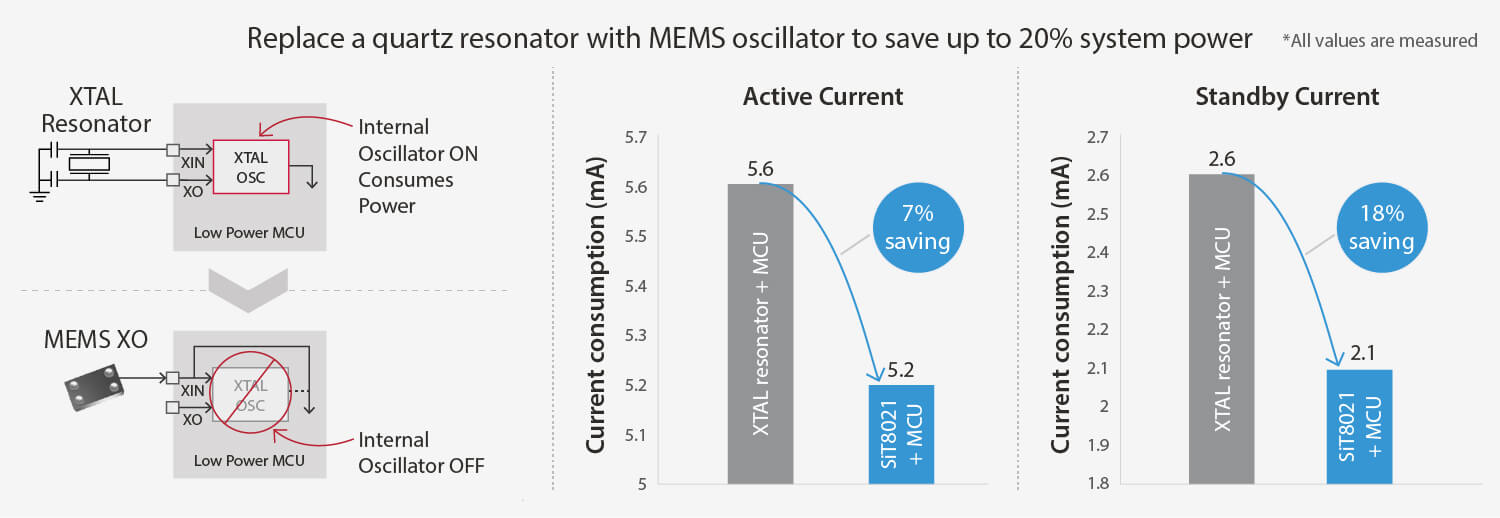
SiTime MEMS µPower timing solutions provide the smallest footprint, highest reliability, and multiple ways to lower system power — from 1-µA NanoDrive devices to higher stability that saves power during sleep mode.

Download Application Brief

SiTime MEMS Timing Benefits

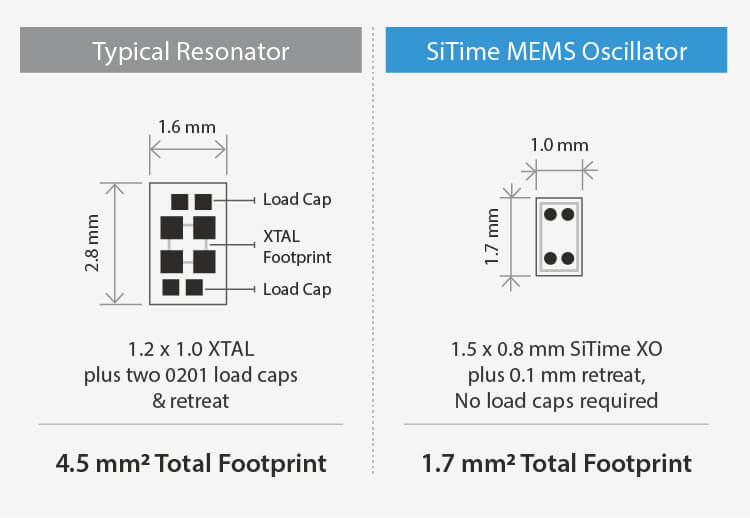
Smallest footprint and power

1.2 mm2 CSP

Ultra-low power up to <1 µA

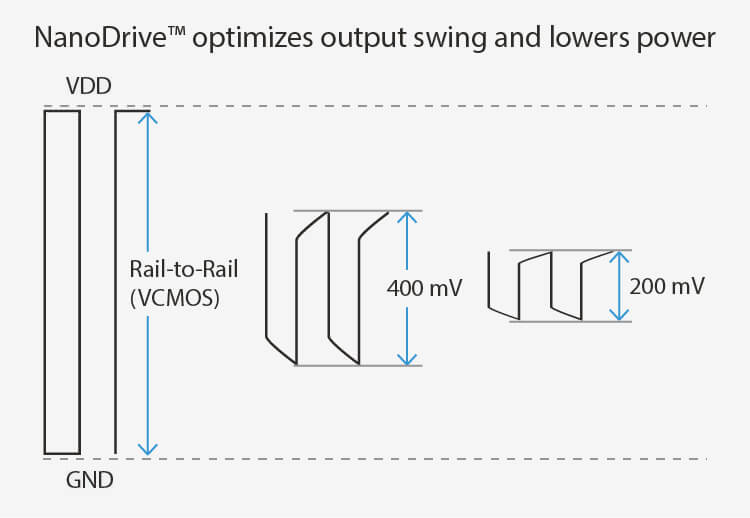
NanoDrive™ programmable output swing

Robust clocking solutions

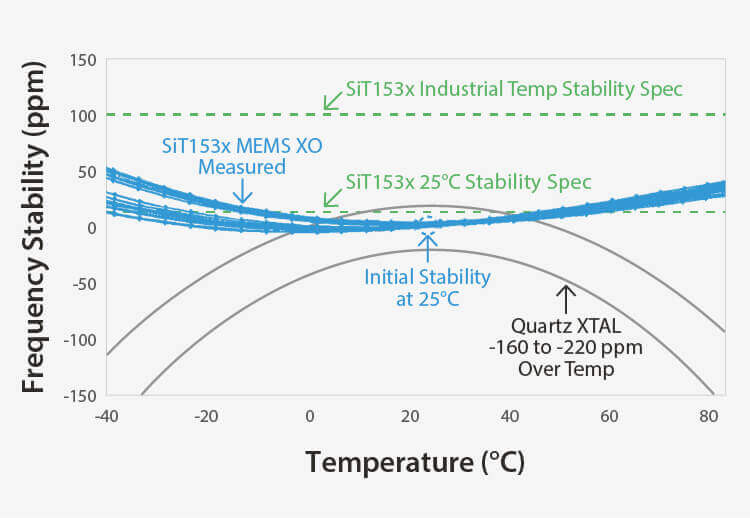
±5 ppm frequency stability

Immunity to power supply noise

LVCMOS enables driving multiple loads

Integrated MEMS, easy to use

No external quartz

No quartz reliability issues

No cover or shielding

Smart meters, whether they be for electric, gas or water, offer tremendous benefits to utility companies. Besides the costs saved by no longer dispatching personnel to read each meter, smart meters enable utility companies to be notified of outages and other problems as they occur.

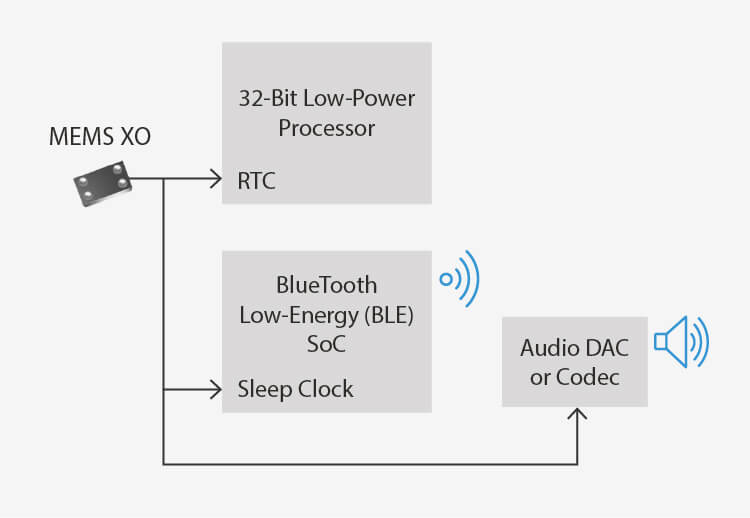
Several clock sources are needed in smart meters.​

  • Sleep clock: Used to keep track of the time and day. For this reason, it is running when the rest of the system is powered down. It usually operates at 32.768 kHz to low power.
  • Oscillators for the communication interfaces: Various requirements in terms of frequency, signaling (single-ended or differential), jitter limits, etc.​
  • Microcontroller clock: Usually realized with either a crystal resonator or an oscillator in the 16 to 40 MHz range.​

Smart Meters Block Diagram

SiTime MEMS Timing for Smart Meters

Devices Key Features Key Values
32.768 kHz XO
SiT1532  32.768 kHz
SiT1534  1 to 32.768 Hz
  • 900 nA typ. power consumption
  • 1.2 V to 3.63 V operation
  • 1.5 x 0.8 mm and 2.0 x 1.2 mm packages
  • Saves power, maximizes battery life
  • Programmable output swing for further power savings
  • Small footprint saves board space
  • Internal VDD filtering eliminates external bypass capacitor: BOM cost reduction and further space savings
32.768 kHz XO
SiT1569  1 Hz to 462.5 kHz MHz
  • 3.3 µA current consumption at 100 kHz
  • ±50 ppm stability
  • 1.5 x 0.8 mm package
  • Saves power, maximizes battery life
  • Programmable output swing for further power savings
  • Small footprint saves board space
  • Internal VDD filtering eliminates external bypass capacitor: BOM cost reduction and further space savings
32.768 kHz TCXO
SiT1552  32.768 kHz
  • ±5 to ±20 ppm
  • 990 nA typ. consumption
  • 1.5 V to 3.65 V supply range
  • 1.5 x 0.8 mm package
  • Saves power, maximizes battery life
  • Programmable output swing for further power savings
  • Small footprint saves board space
  • Internal VDD filtering eliminates external bypass capacitor: BOM cost reduction and further space savings
32.768 kHz TCXO
SiT1580  32.768 kHz
  • ±5 to ±20 ppm
  • 1.8 V supply range
  • 4.5 uA consumption
  • 1.5 x 0.8 mm package
  • Low power
  • High robustness: Immune to small molecular gasses
  • LVCMOS: Drive multiple loads
  • Stability: ±5 ppm
32.768 kHz Oscillator
SiT1811 32.768 kHz
  • ±20 ppm stability
  • 1.35 to 1.98 V supply
  • 510 nA consumption
  • Up to -10°C to 85°C
  • 1.2 x 1.1 mm package
  • <115 ms startup time
  • Low power
  • Small footprint
  • Excellent stability
  • Faster start-up time than 32.768 kHz tuning-fork crystal enables faster system start-up

SiTime oscillators offer many advantages for smart meters.​​

  • Small footprint: Down to 1.5 x 0.8 mm.
  • Very low power: <1 mA for MHz oscillators – actual value depending on frequency; <490 nA for 32.768 kHz oscillators).​
  • Immunity to EMI: Due to the small size of SiTime MEMS resonators compared to traditional crystal resonators. This is particularly important in electricity meters where high currents are common.
  • Frequency accuracy: Better accuracy of the sleep clock allows longer periods of system standby time between re-syncs of the RTC to network time. This contributes to significant power savings of connected, battery powered devices.

MEMS Timing Outperforms Quartz

Lower Power

Image
SiTime – Lower Power

Smallest Size, Lower BOM​

Image
SiTime MEMS Oscillators – Smallest size, Lower BOM

Drive Multiple Loads

Image
SiTime – Drive Multiple Loads

Best 32 kHz Oscillator Stability

Image
SiTime – Best 32 kHz Oscillator Stability

Better 32 kHz TCXO Stability

Image
SiTime – Better 32 kHz TCXO Stability

Watch Video: 8 Reasons to Replace Crystals with MEMS Oscillators

contact support 2

Need samples or more information?

Contact Us Request Samples Buy Now